

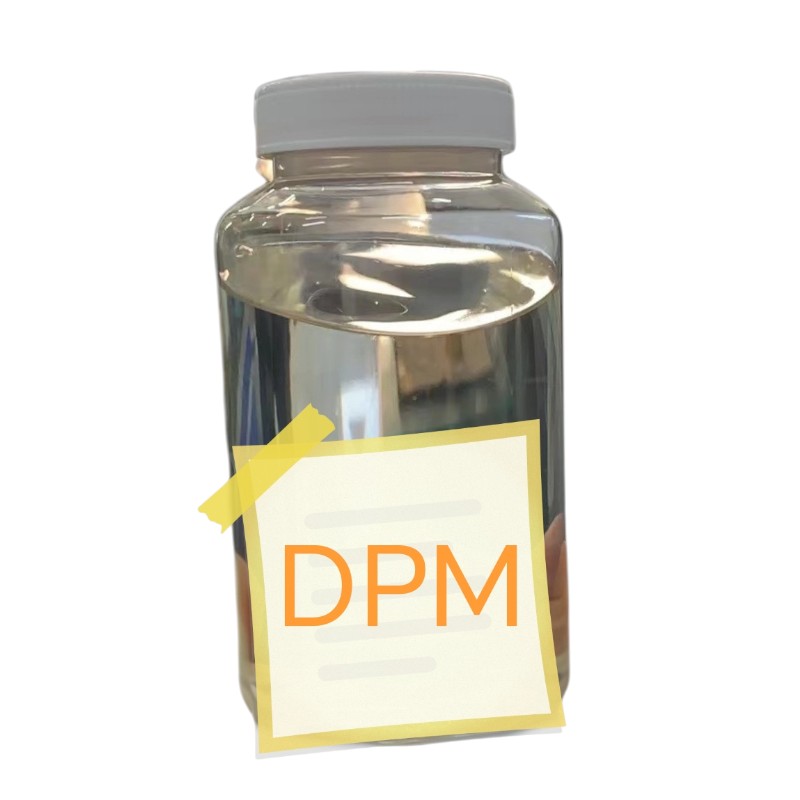
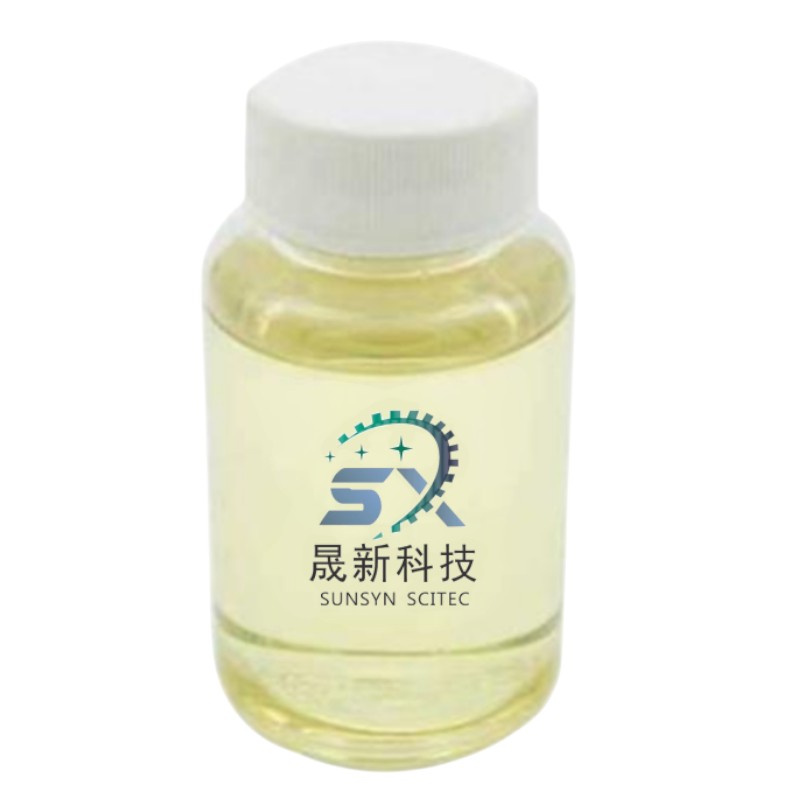
Polycarboxylate water reducer is one of the commonly used concrete admixtures, which can effectively improve the workability of concrete, increase the strength grade of concrete, and improve the water holding capacity of concrete. Adding polycarboxylate superplasticizer monomers to concrete can effectively regulate its flowability and water retention performance, thereby enhancing its workability and crack resistance.
Polycarboxylate water reducer is a concrete admixture, which contains a large number of carbon chains and carboxyl groups in its molecular structure. These carbon chains have hydrophilicity and can adsorb and maintain the presence of water molecules in concrete, thereby forming uniformly dispersed micro colloidal cement slurry after concrete hardening. By adjusting the degree of polymerization and the number of hydrophilic groups of polycarboxylate superplasticizer, the flowability and water retention performance of concrete can be improved.
The addition of polycarboxylate superplasticizer monomers can improve the flowability of concrete and increase its plasticity. The carboxyl group in polycarboxylate superplasticizer can combine with Ca2+ions generated by hydration and hardening in concrete, forming a hydration film of hydrates, and can form hydrogen bonds with water molecules, allowing water molecules to form liquid colloids in concrete. These liquid colloids can wet and lubricate concrete particles, reduce cohesion between particles, thereby improving the fluidity of concrete and increasing its slump and flowability.
In addition, the addition of polycarboxylate superplasticizer monomers can improve the water retention performance of concrete. The carbon chain in polycarboxylate superplasticizer has hydrophilicity and can adsorb and maintain the presence of water molecules. In concrete, polycarboxylate superplasticizer can prevent the evaporation of water molecules, slow down the loss of moisture inside the concrete, and thus make the concrete have better water retention performance. This is very important for the hardening process of concrete. Maintaining sufficient moisture can promote the hydration reaction of cement, which is beneficial for the early strength development and crack resistance improvement of concrete.
