

The manufacturer of hydrogenated castor oil tells you that PEG-40 hydrogenated castor oil is essence oil.
PEG-40 hydrogenated castor oil needs to be used and stored according to standards to prevent differentiation, and should also be protected from contact with oxides. It exists in smoke and appears as a white to light yellow powder, block or sheet.
It is a medicinal excipient that has thickening, hardening, and sustained-release effects in formulations. Therefore, it is used as a thickening agent, hardening agent, and sustained-release agent for the preparation of semi-solid and solid formulations, such as ointments, suppositories, pills, tablets, etc.
PEG-40 hydrogenated castor oil is primarily used as a hardener in ointments, creams, and suppositories to adjust the consistency of formulations; In oral formulations, it is primarily used for preparing sustained-release tablets and capsules;
Can be used as a coating film or form a solid skeleton, achieving sustained or controlled release effects; It can also serve as a lubricant for tablets and capsules, improving the flowability of particles.
PEG-40 hydrogenated castor oil is not an ordinary oil, it is a special chemical product.
PEG-40 hydrogenated castor oil can evenly disperse oily substances such as essence and essential oil into water to form a stable and transparent solution. The starting material of PEG-40 hydrogenated castor oil comes from natural plants - hydrogenated castor oil, which can be biodegraded in nature and is suitable for industries such as pesticides, coatings, daily chemicals, water-based inks, textiles, printing and dyeing, papermaking, cosmetics, etc.
PEG-40 hydrogenated castor oil is not a traditional oil, but a non-ionic surfactant.
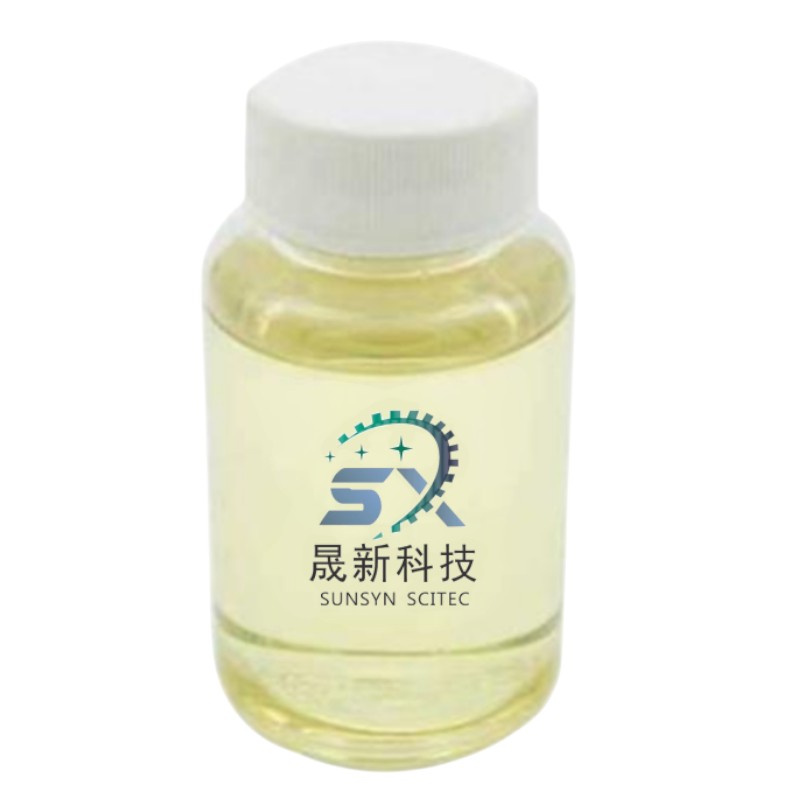
PEG-40 hydrogenated castor oil, also known as polyoxyethylene 40 hydrogenated castor oil, is a light yellow viscous liquid or paste with a neutral odor at 100% concentration. It has a wide range of applications in cosmetics, pharmaceuticals, and other industrial fields, mainly used as a solubilizer and emulsifier. It can encapsulate oil soluble components to form tiny micelles, allowing them to be uniformly and stably dispersed in water, resulting in a clear and transparent solution. In addition, it also has moisturizing, anti-inflammatory and soothing effects, exfoliating and improving acne, enhancing skin elasticity and firmness. Therefore, although its name includes "oil", its chemical properties and uses are more in line with the characteristics of surfactants rather than traditional oil