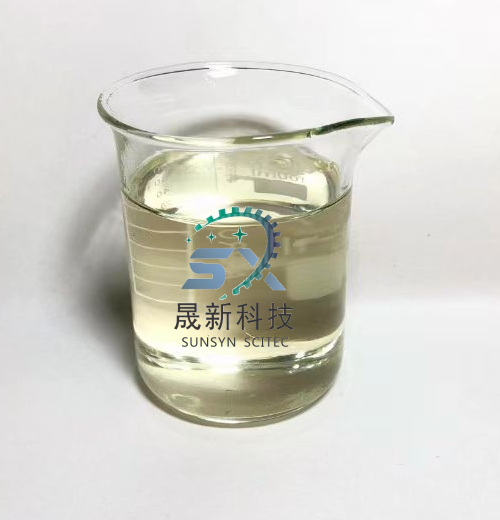

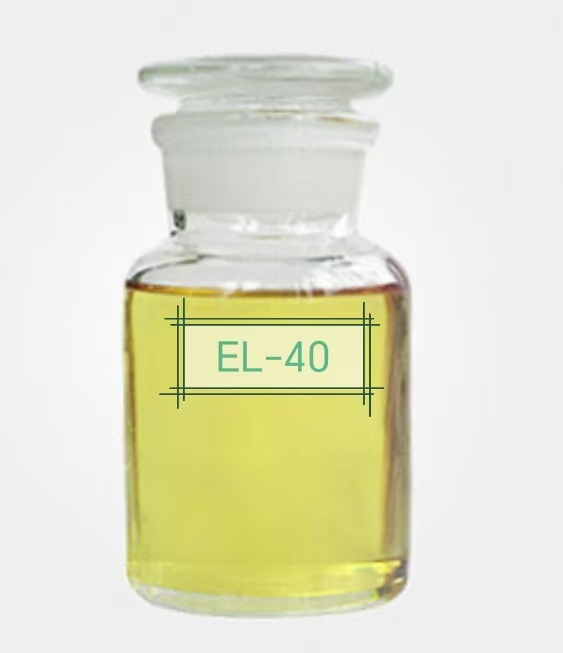
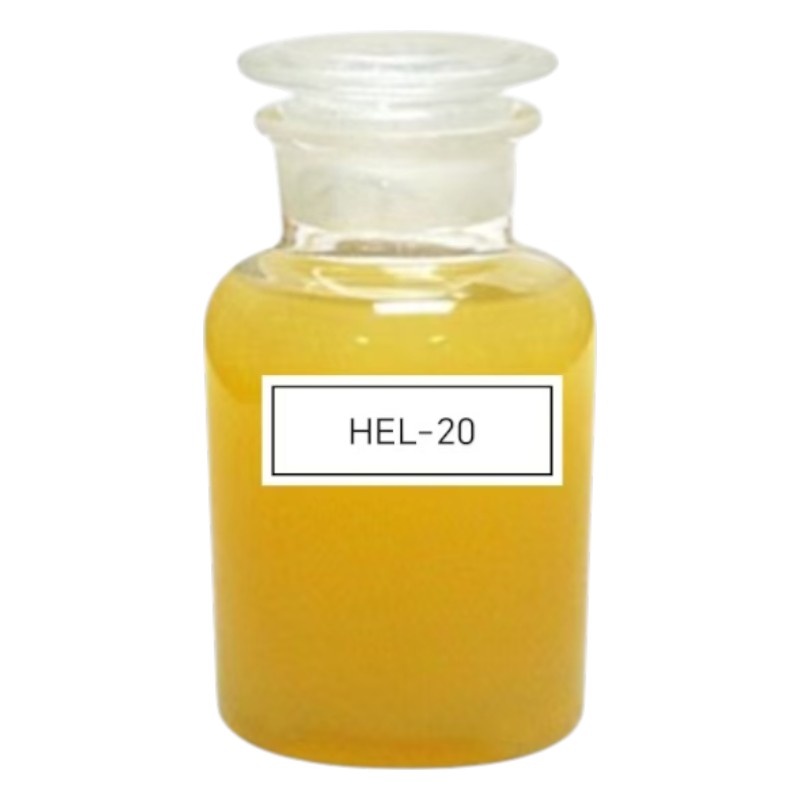
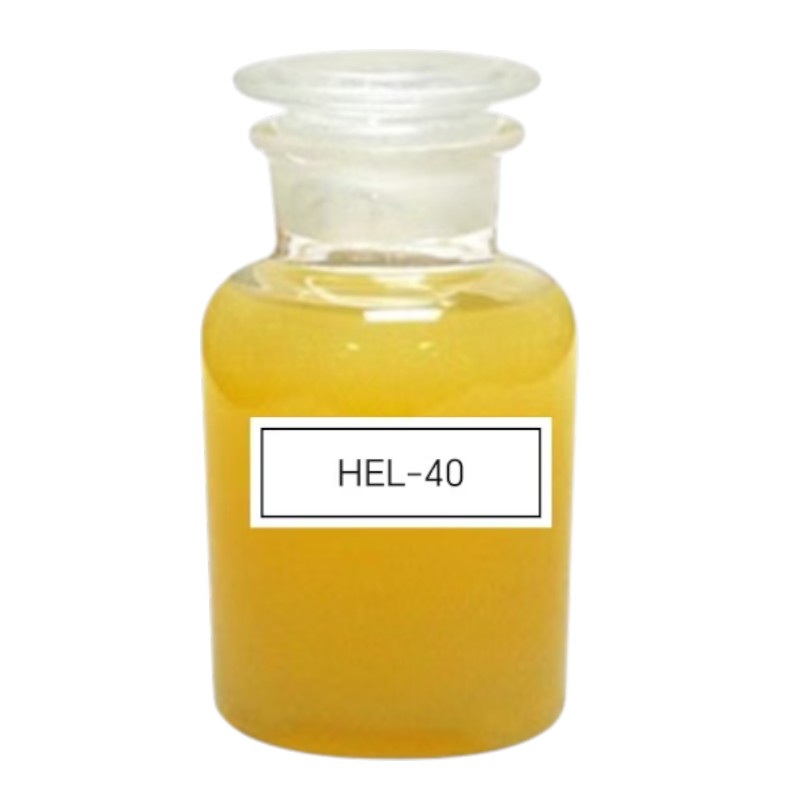

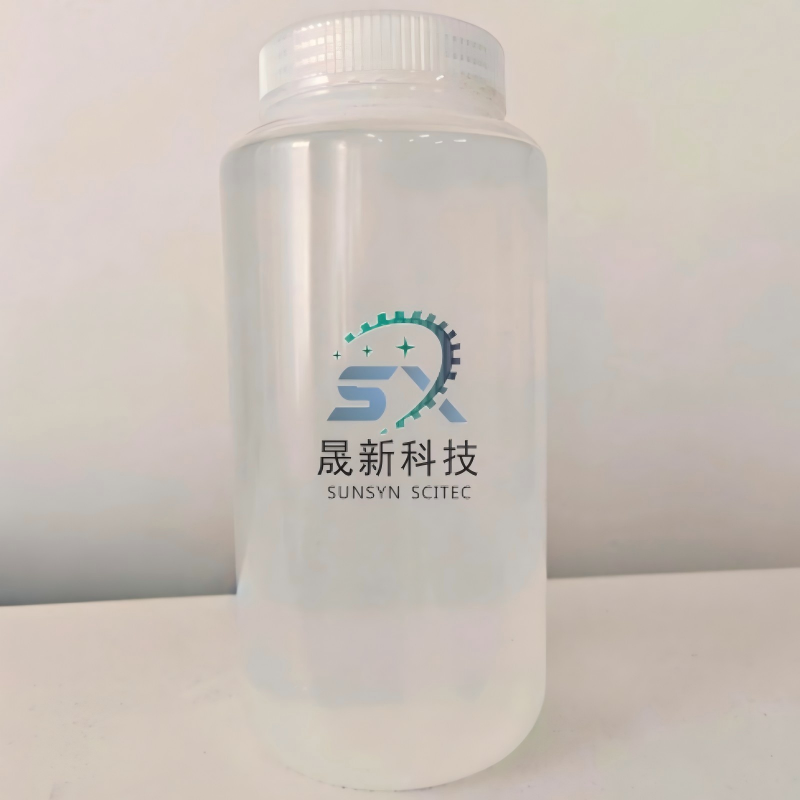
Hydrogenated castor oil manufacturer tells you the difference between hydrogenated castor oil co40 and hydrogenated castor oil
Modified castor oil products are easily decomposed in nature and do not have residues. Depending on the different epoxides used (PEG-40, PEG-60, PEG-80), the product functions may vary slightly.
PEG-60 hydrogenated castor oil is a commonly used efficient solubilizer, which can evenly disperse oily substances such as essence and essential oil into water to form a stable and transparent solution. The starting material comes from a natural plant - hydrogenated castor oil, which is biodegradable in nature and suitable for professions such as agriculture, coatings, daily chemicals, water-based inks, textiles, printing and dyeing, papermaking, etc.
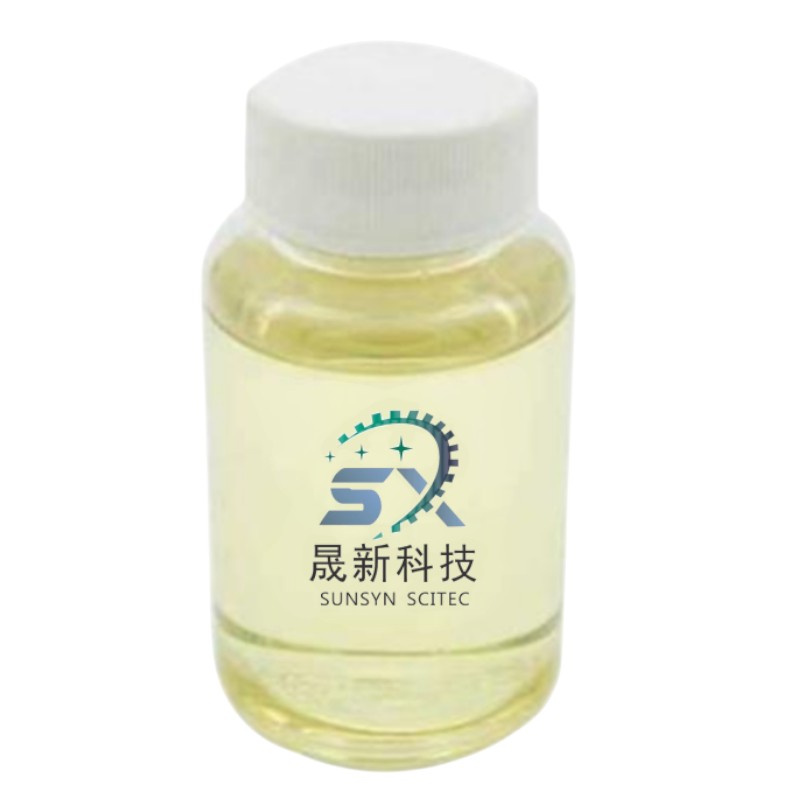
PEG-40 hydrogenated castor oil solubilizer is a viscous liquid or paste; It is an excellent non-ionic solubilizer and emulsifier; It has wide pH stability, low foam, and can form a clear mixture with acid and alcohol at high temperature. It can be used to solubilize essential oils and make fragrances in water or alcohol solutions. When in use, this product can be mixed with the desired solubilizing substance in a ratio of 1:1-3 and stirred evenly until transparent. Can be used as a medical grade solubilizer.
purpose
Castor oil can be directly taken as medicine. It can also be used to manufacture polyurethane adhesives, which have good low-temperature performance, hydrolysis resistance, and excellent electrical insulation.
Hydrogenated castor oil is a commonly used efficient solubilizer, which can evenly disperse oily substances such as essence and essential oil into water to form a stable and transparent solution16. It is widely used in industries such as cosmetics, pesticides, coatings, daily chemicals, water-based inks, textiles, printing and dyeing, and papermaking. In addition, hydrogenated castor oil can also be used as a pharmaceutical grade solubilizer.
Environmental impact and safety
Castor oil is more natural, but not suitable for direct use as a cosmetic.
Hydrogenated castor oil is easily decomposed in nature and has no residue, making it an environmentally friendly product. However, it should not be consumed excessively as it may cause discomfort to the body. In cosmetics, the content of hydrogenated castor oil is usually low and does not cause irritation to healthy skin, but may cause stinging or itching to sensitive or damaged skin.
The main difference between castor oil polyoxyethylene ether and hydrogenated castor oil polyoxyethylene ether lies in the raw materials and characteristics:
Raw material differences: Castor oil polyoxyethylene ether is obtained from castor oil through esterification, etherification and other processes; Hydrogenated castor oil polyoxyethylene ether is obtained by further chemical modification of hydrogenated castor oil as raw material.
Different characteristics: Castor oil polyoxyethylene ether is usually a yellow to brownish yellow viscous liquid that is difficult to dissolve in cold water; The specific physical properties of hydrogenated castor oil polyoxyethylene ether have not been mentioned, but considering that the hydrogenation process makes the oil more stable and less prone to oxidation, hydrogenated castor oil polyoxyethylene ether may have better oxidation stability.
Application areas: Both can be used as non-ionic surfactants and emulsifiers, but there may be differences in specific applications. For example, castor oil polyoxyethylene ether is commonly used in cosmetics and pharmaceutical preparations; Hydrogenated castor oil polyoxyethylene ether may be more widely used in the emulsification of organophosphorus pesticides and the ink industry.
In summary, although the two are similar in chemical structure, there are certain differences in physical properties and application fields due to differences in raw materials and subsequent processing.