

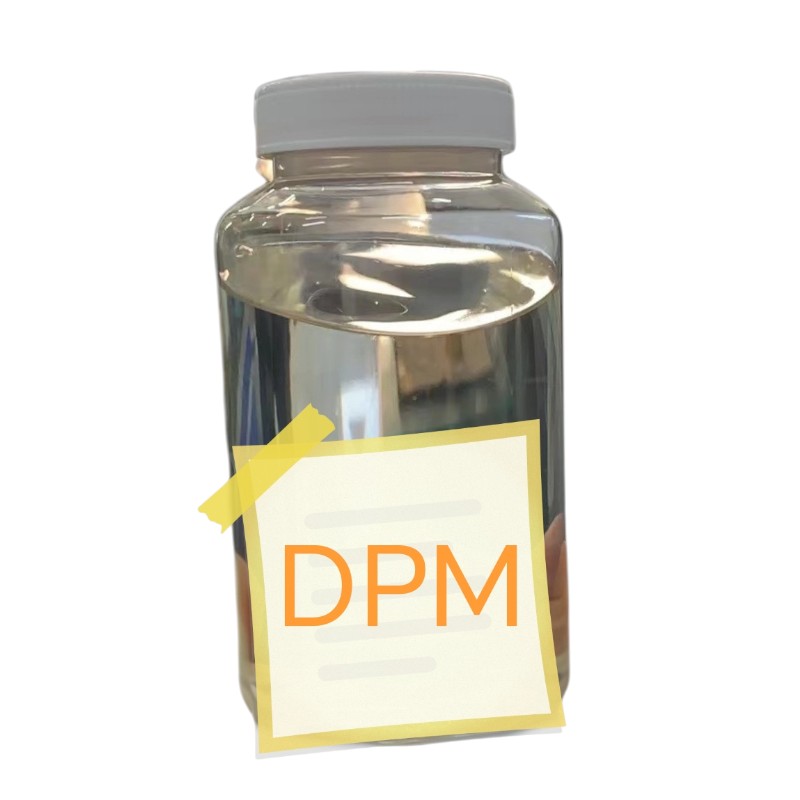
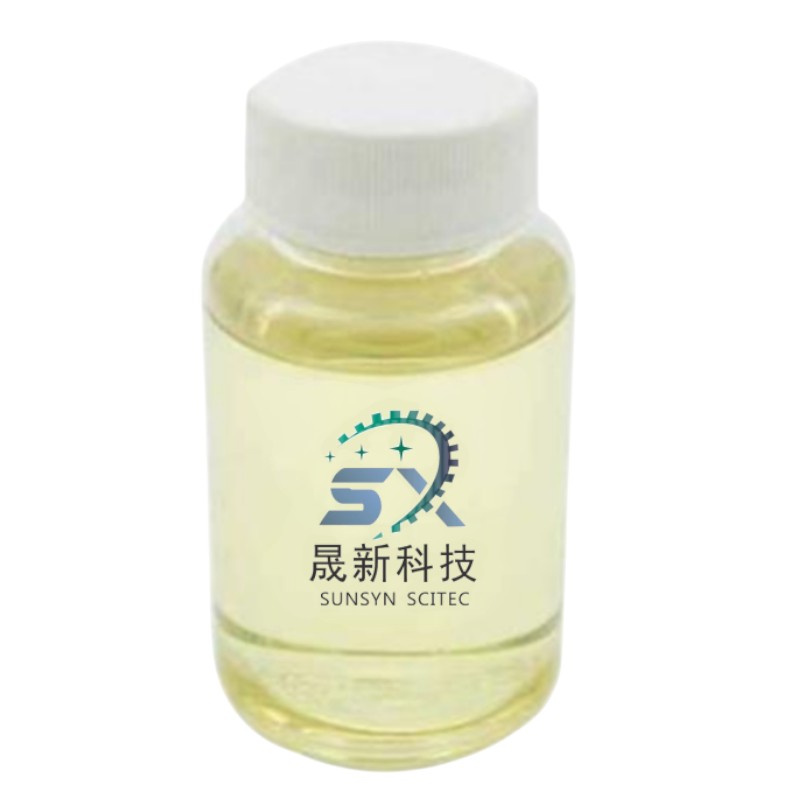
Polycarboxylate water reducing agent monomers have good compatibility with different types of cement and admixtures, solving the compatibility problem between using other types of water reducing agents and cementitious materials. The standard introduction of polycarboxylate superplasticizer is as follows:
1. Good economic benefits: The comprehensive cost of the project is lower than using other types of products.
2. Concrete mixed with polycarboxylate superplasticizer has good durability, and is superior to ordinary superplasticizer in terms of filling, stability, pumpability, strength density, sulfate corrosion resistance, alkali aggregate reactivity, frost resistance, shrinkage and creep resistance.
3. When the dosage is low, the water reduction rate is high. When the dosage is around 1.0%, the water reduction rate exceeds 35%.
4. Good product stability: no precipitation occurs at low temperatures.
5. Good workability of concrete: Concrete prepared with polycarboxylate superplasticizer will not have obvious segregation or bleeding even under high slump conditions, and the appearance color of the concrete is consistent.
6. Green and environmentally friendly products have very low alkali content, chloride ion content, sodium sulfate content, and formaldehyde content, and do not cause pollution to the natural environment during the production process. They comply with national environmental protection management standards and are conducive to sustainable development.
7. Early strength and high strength, with an early strength increase of over 50% and a 28 day strength increase of over 30%, especially suitable for high content fly ash concrete. This type of water reducing agent shows a significant increase in strength with increasing dosage within the low dosage range, but its strength does not further increase with dosage beyond the optimal dosage.
8. Low slump loss, good 1-hour slump retention rate, remains unchanged at low normal temperatures, with an increase in expansion. When the temperature exceeds 20 degrees, there is a slight loss in 1-hour slump, but it remains above 95%. When the temperature exceeds 30 degrees, the 1-hour slump retention value is still 93.