

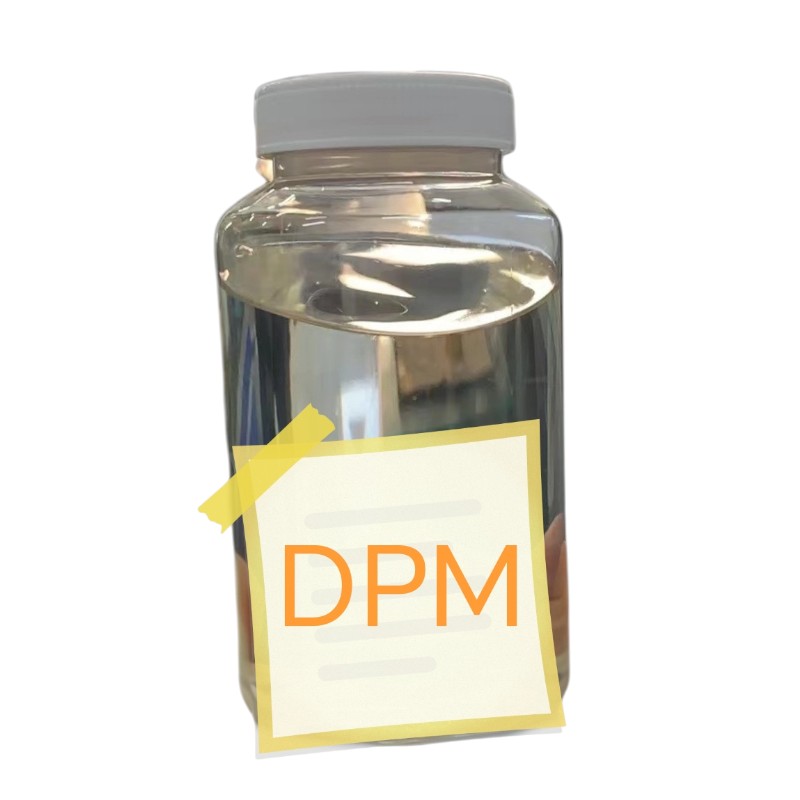
Why Choose Polycarboxylate Superplasticizer for Concrete? Imagine a ready-mix plant manager staring at a pile of rejected concrete because the slump dropped from 6 inches to 2 inches within 30 minutes. This is a daily nightmare for many. The answer lies in polycarboxylate superplasticizers (PCE), which provide superior water reduction (up to 40%) and slump retention without compromising strength. At SUNSYN SCITEC INC., we engineer PCEs that solve these exact problems.
Pain Point 1: Inconsistent Slump Retention
Conventional naphthalene-based superplasticizers often cause rapid slump loss, especially in hot weather. This leads to on-site adjustments, delayed pours, and increased labor costs. The consequence: a 10% increase in cement usage to maintain workability, raising CO2 emissions and material costs.
Pain Point 2: High Water Demand in Low-Quality Aggregates
When aggregates contain clay or fines, water demand spikes. Traditional admixtures fail to disperse cement particles effectively, requiring more water and resulting in lower strength and durability. For a typical 5,000 psi mix, each extra gallon of water per yard reduces strength by 200 psi.
Pain Point 3: Durability Issues from High W/C Ratio
Excess water leads to capillary pores, reducing freeze-thaw resistance and increasing permeability. This accelerates rebar corrosion and shortens structure lifespan. Repair costs can exceed $500 per square foot for parking garages.
Solution: Polycarboxylate Superplasticizer Technology
PCEs use a comb-like polymer structure with carboxylic acid groups and polyethylene oxide side chains. They disperse cement particles via electrostatic repulsion and steric hindrance, achieving up to 40% water reduction with minimal slump loss. For slump retention, we modify the side chain density to delay hydration. For clay tolerance, we incorporate sacrificial agents that preferentially adsorb onto clay surfaces. At SUNSYN SCITEC INC., our PCEs meet ASTM C494 Type F and G standards, providing consistent performance from 30°C to 40°C.
Customer Success Stories
Case 1: New York Ready-Mix Plant
Plant manager John had 15% slump loss within 90 minutes. After switching to SUNSYN PCE, slump loss reduced to 5%, saving $12,000/month in rejected concrete. "Our customers stopped complaining about stiff concrete," he said.
Case 2: Dubai High-Rise Project
Engineer Ahmed needed 12,000 psi concrete with 8-inch slump for 40-story columns. Using our PCE, they achieved 14,000 psi at 28 days with 9-inch slump after 2 hours. "We cut cement content by 15% without sacrificing strength," he reported.
Case 3: German Precast Plant
Plant manager Klaus faced early stiffening in precast elements. Our PCE extended workability to 120 minutes, reducing waste by 20%. "We now pour seamlessly from truck to form," he noted.
Case 4: Australian Infrastructure Contractor
For a bridge deck in Sydney, engineer Sarah required high early strength and low shrinkage. Our PCE achieved 3,000 psi in 12 hours and reduced drying shrinkage by 30%. "Cracking was eliminated, saving months of repair time," she said.
Applications and Partnerships
Our PCEs are used in ready-mix concrete (slump retention for long hauls), precast concrete (high early strength), self-consolidating concrete (flowability), and high-performance concrete (durability). Major buyers include CEMEX, LafargeHolcim, and HeidelbergCement, who have partnered with SUNSYN SCITEC INC. for technical support and custom formulations.
FAQ
Q1: How does PCE compare to naphthalene-based superplasticizers?
A: PCE offers 10-20% higher water reduction, better slump retention, and lower dosage (0.2-0.5% by cement weight vs. 0.5-1.5%). It also reduces alkali content and improves durability.
Q2: Can PCE be used in self-consolidating concrete?
A: Yes. Its high water reduction and viscosity-modifying properties enable SCC with slump flow > 26 inches without segregation.
Q3: What is the shelf life of PCE?
A: Typically 12 months in sealed containers at 5-35°C. Avoid freezing as it can cause polymer degradation.
Q4: Does PCE affect setting time?
A: Standard PCEs may retard slightly (15-30 min), but we offer accelerated versions for cold weather.
Q5: How to handle clay contamination?
A: Use our clay-tolerant PCE with a pre-mixed sacrificial agent. For high clay (e.g., >2% bentonite), increase dosage by 20%.
Conclusion
Polycarboxylate superplasticizers from SUNSYN SCITEC INC. deliver consistent workability, higher strength, and lower costs. Download our technical white paper for dosage guidelines and case studies, or contact our sales engineers for a customized solution.
