

As the third-generation high-performance water-reducing agent, polycarboxylate-based water reducers are often compounded with small amounts of retarders (e.g., sodium gluconate, sucrose), air-entraining agents, defoamers, and viscosity modifiers to meet diverse concrete technical performance requirements. However, during hot summer months, water reducers containing retarders are prone to degradation, severely affecting their effectiveness. How to address this issue?
(1) Rancidity Phenomenon and Causes
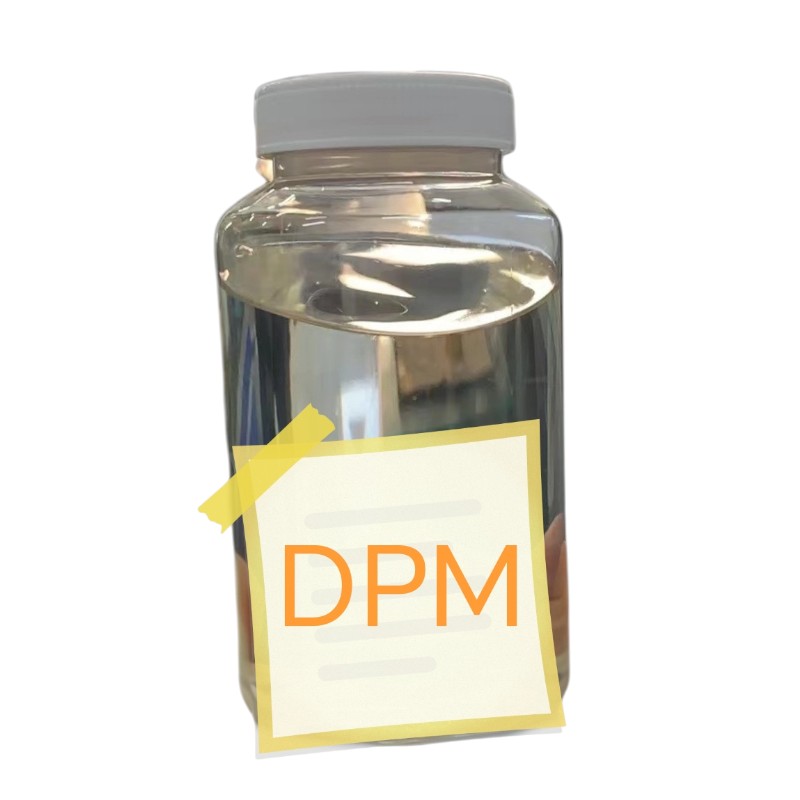
In the early stages of deterioration of polycarboxylate superplasticizer monomers, a light-colored, fluffy or cotton-like bacterial film appears on the liquid surface, which later develops into discrete floating patches. Occasionally, stringy bubbles emerge. When the deterioration becomes severe, the bacterial film covers the entire liquid surface, and the solution exhibits thick green, brown, or black suspended matter, accompanied by the generation of foul-smelling, acidic gases. This deterioration is primarily caused by mold growth.
The deterioration of polycarboxylate superplasticizer is mainly caused by the compounded sodium gluconate. In industrial production, Aspergillus niger fermentation is commonly used to produce sodium gluconate. After the fermentation of Aspergillus niger is completed, a large amount of Aspergillus niger residue will be produced, with a wet weight of 2% -3% of the total amount of sodium gluconate solution. Black mold residue contains nutrients and various components. In the production of sodium gluconate, if the production control is not strict, it is inevitable that there will be residues of glucose and Aspergillus niger, which also provide nutrition for the reproduction of microorganisms. Under suitable natural conditions (nutrients, temperature, humidity, oxygen, pH), microorganisms have an astonishing reproduction rate, and can reproduce one generation in about 20-30 minutes. When extremely rare breeding conditions are encountered and overlapped with each other, the phenomenon of "mold explosion" occurs. The blackening of deteriorated water reducing agents is caused by the fermentation of black mold in unqualified sodium gluconate products.
On the other hand, the mold growth of polycarboxylate superplasticizers is also related to their storage environment. Higher temperatures will intensify the movement of large molecular chains. Once the dissociation energy of chemical bonds is exceeded, chain decomposition, irregular breakage, and thermal decomposition will occur, leading to an accelerated degradation rate of the polymer. Similarly, the higher the temperature, the greater the activity of microorganisms, and the faster the mold growth rate of water reducing agents.
There are also literature showing that improper storage conditions, such as severe temperature rise in storage space, lack of ventilation, and humidity, can lead to the melting of large monomers, and the local temperature of monomers is too high, accelerating the rearrangement reaction of related monomers, resulting in a serious decrease in the double bond amount of large monomers and severe performance degradation.
